
Choose a beard for an oval face by keeping the natural balance visible, then setting cheek width, chin length, line height, and the reset you can repeat. Open the detector
beard styles for oval face
For beard styles for oval face, start with the beard that keeps the natural balance visible rather than trying to correct it: short boxed, stubble, full beard, circle beard, or a controlled mustache can all work. Treat cheek width, chin length, cheek line, and neckline as separate controls. The best choice is the outline your growth can hold and your morning reset can repeat.
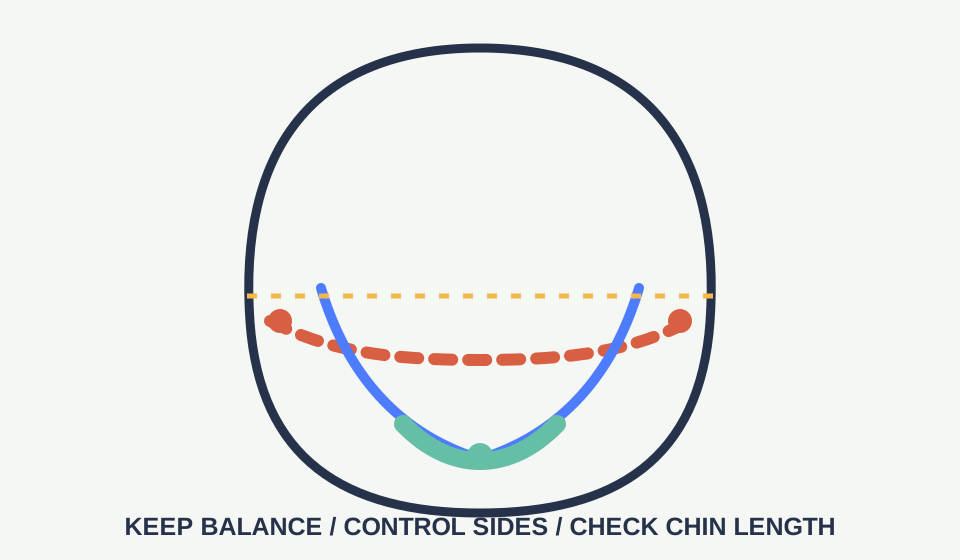
Read the proportion before the style name
An oval face is usually longer than it is wide, with the cheekbones carrying the strongest width and the forehead and jaw staying in a relatively calm relationship. That makes the beard a choice of character and maintenance more than a correction device. If the result is mixed, the face-shape reading guide helps separate the primary label from a nearby tendency before you change the beard.
Do not begin by asking for the longest point. Begin by checking what the beard is already doing: does the side growth make the cheeks look wider, does the chin pull the face longer, and does the neckline make the lower third look heavy? Take one neutral photo with the head level, then repeat the same view after a normal morning reset.
Set four dials independently
Use these controls instead of treating a beard label as a complete instruction:
- Side width: keep cheek and sideburn bulk even enough to frame the face without creating a second wide band.
- Chin length: keep the lower point modest at first; extra length can push an oval face toward a longer visual read.
- Cheek line: choose a clean, natural boundary that follows your growth rather than drawing a high artificial shelf.
- Neckline: set the lower edge where the neck actually breaks, then check it when you talk and tilt your head.
This four-dial map is the useful starting point when growth is dense on one side, sparse at the chin, or curly after drying. Change one dial at a time so you can tell which adjustment helped.
Compare beard structures by effect
Three-day stubble
Short stubble is the lowest-commitment test. Keep the length even across the cheeks and jaw, define the cheek line without lifting it too high, and set the neckline cleanly. It preserves the underlying proportions and gives you a quick way to test whether you want more visual weight.
Compact boxed beard
A short boxed beard adds structure without forcing extra chin length. Keep the sides and cheeks close, let the chin carry only a small amount of additional length, and soften the bottom corners rather than making a hard square shelf. It is a reliable first request when you want a professional outline.
Full beard with a controlled perimeter
A full beard can suit an oval face when the sides do not flare and the neckline stays intentional. Let the growth fill in long enough to see its real density, then trim the cheek edge and the bottom as two separate decisions. Comb downward before judging the silhouette; loose hairs can make a balanced beard look wider than it is.
Circle beard or compact mustache
A circle beard keeps most of the cheek and neck visually quiet while giving the mouth and chin a deliberate center. It works well when the chin and mustache connect evenly but the side growth is patchy. Keep the center compact so the style adds definition without turning into a long pointed extension.
Balbo, Van Dyke, or a longer taper
Disconnected or tapered shapes can add personality, but they need a stricter length gate on an oval face. Let the chin point develop in small steps, keep the side transition smooth, and stop when the face begins to read longer rather than more defined. A shaped point is useful only when it survives speech, turning, and the next morning.
Fold the live search language into one page
The Google dropdown for this topic includes beard styles for oval face male, beard styles for oval face bald head, and beard styles for oval face men. Those are framing situations, not separate routes: keep the beard dials the same while changing the hair-and-beard transition around them.
The same applies to beard styles for oval face indian, beard styles for oval face indian male, and beard styles for oval face black men. Skin tone, curl pattern, density, and line visibility can change the trim method, but none of those labels can choose a beard without a growth test.
If you search short beard styles for oval face, read it as a request for a low-commitment length test. If you search best beard styles for oval face, define “best” by the effect you want and the time you will spend maintaining it. Beard styles for oblong face is a different correction problem: extra chin length may be the wrong first move when the face already reads noticeably long.
For a neighboring comparison, the round-face beard guide shows why a round face often needs a different side-to-chin balance. Keep that contrast separate from the oval decision instead of borrowing a correction rule that your proportions do not need.
Use density and routine as the filter
A beard that looks excellent after a barber visit can fail at home because the reset takes too long. Write down the guard or scissors setting, the cheek-line reference, the neckline location, and how many minutes the morning cleanup takes. Then repeat the same test after one ordinary sleep.
If the cheeks grow faster than the chin, keep the sides shorter before adding length below the mouth. If the chin is sparse, a compact mustache or circle-beard direction may look more deliberate than an uneven full outline. If the hair is curly, judge it after it dries and avoid trimming the wet length to a shape it will not keep.
For the surrounding haircut, the oval-face haircut guide is useful when the top and side hair are adding more length or width than the beard. For glasses, the oval-face frame guide gives a separate bridge and cheek-clearance check so the beard decision does not get confused with frame fit.
Run the five-minute movement check
Do not approve a beard from one still front view. Use this order:
- Neutral: check whether the cheeks or sideburns become the widest block.
- Smile: watch the cheek edge for gaps, flare, or a line that climbs too high.
- Turn: compare both sides and note whether one transition is heavier.
- Talk: confirm that the mustache, chin center, and lower edge stay readable.
- Next morning: repeat the trim, brush, or product reset you can actually sustain.
When the test fails, change one variable only. Reduce side bulk before adding chin length. Lower or soften the cheek line before redesigning the whole beard. Shorten a point before abandoning a style that otherwise fits the growth pattern.
Questions before the next oval-face trim
Can an oval face wear any beard?
It can wear a wide range of beard structures because the underlying proportions are already balanced. That flexibility is not a reason to ignore length, density, or the neckline; those details decide whether the result stays balanced on your face.
Should an oval face keep a long pointed chin?
Not as a default. A modest chin extension can add shape, but a long point can exaggerate the vertical read. Add length in small steps and stop when the outline looks intentional rather than stretched.
Is a full beard too heavy for an oval face?
Not automatically. Keep the cheek line natural, prevent the sides from flaring, and set the neckline deliberately. Density and curl can make the same nominal length look very different.
What is the safest first style?
Start with even stubble or a short boxed beard. Both reveal the effect of cheek width, chin length, and line placement without committing you to a long grow-out.
Keep the balance you can repeat
The best beard styles for an oval face are not a single ranked cut. They are the styles that preserve the face's natural balance while giving you a clear cheek line, controlled side width, a sensible chin length, and a reset you can repeat. Start short, photograph the same angles, and make one measurable change at a time.