
Choose glasses for a triangle face shape by bringing visual weight upward, softening the lower corners, and checking the fit in motion. Open the detector
Glasses for Triangle Face Shape: Lift the Upper Line, Then Test the Jaw
For glasses for triangle face shape, start with a frame that brings some visual weight upward while keeping the lower corners calm. A defined browline, softly lifted cat-eye, upper-rim detail, or controlled geometric top can all be useful first tests; the right pair is the one that changes the balance without pressing on the jaw, losing bridge contact, or shifting when you move.
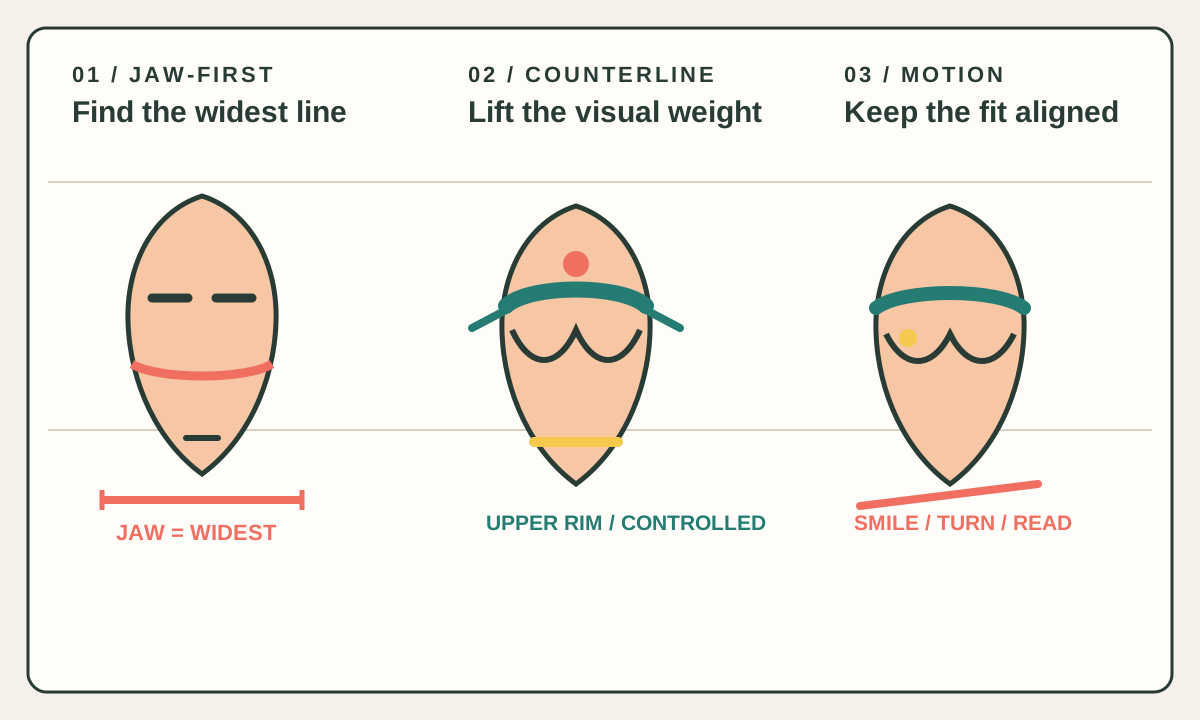
Read the Jaw-First Pattern
A triangle reading starts with the jaw as the dominant horizontal line, the cheekbones following it, and the forehead reading narrower. That is a sorting signal, not a command to hide the lower face. Pull the hair back, keep the head level, and compare the same straight-on view before choosing a frame.
The lower-heavy pattern can overlap with a pear description, and a close result can also sit near square or heart. Use the widest line first, then use the jaw outline and face length as tie-breakers. A pointed chin by itself does not create a triangle result, and a broad jaw by itself does not approve a frame.
Put the Counterline Above the Eyes
The first frame experiment should add a clear upper route without becoming a heavy mask. Browlines, softly lifted cat-eyes, upper-rim accents, and frames with restrained temple detail can move attention toward the forehead and eyes. A clean rectangular top can also work when its width is controlled and its corners do not make the jaw look heavier by comparison.
This is a direction for a shortlist, not a ban list. A round or rimless frame can work when it fits the bridge and the wearer wants a quiet effect. Compare the line created by the top rim, the lower rim, and the outer corners instead of approving a shape name from a product page.
If the forehead is the widest line instead of the jaw, compare the heart-face frame guide before adding more upper weight.
Set Width Without Overcorrecting
Start with a pair that already stays in place and note its total front width, lens width, bridge, lens depth, and temple reach. Change one dimension at a time. A front that is too narrow can leave the jaw as the only strong horizontal line. A much wider front can create bulk at the lower half and defeat the counterline you meant to add.
The useful target is a front that reaches the working cheekbone line without pushing the temples outward. Look straight on, then turn slightly. If the outer corners flare or disappear behind the jaw, record a landing problem instead of changing the face-shape label.
If the cheekbones, not the jaw, are the dominant width, compare the diamond-face frame guide for a different landing strategy.
Keep the Bridge From Dropping
Put the frame on without pushing it upward. The bridge should keep contact when you look down, and the pupils should stay in a useful position inside the lenses. If the frame drops, its lower rim may land on the jaw or cheeks and make an upper-weight design look like a lower-heavy one.
Check the temples after the front settles. Pinching, flaring, or a temple that pulls one side forward can change the apparent balance after a few minutes. For prescription lenses, let an optician confirm optical centering, fitting height, lens design, and usable lens area before treating the visual comparison as an order decision.
Compare Materials at the Same Size
When the upper line seems right but the frame feels too dominant, keep the size and change the material or rim weight. A dark brow can make the counterline obvious; a translucent or lighter rim can keep the same direction quieter. Do not change color, width, lens depth, and bridge together or the reason for the result disappears.
Use the same light and expression for the comparison. Record which part changed: top-line visibility, lower-rim weight, corner lift, or bridge stability. A material that looks balanced in a still view still has to clear the jaw when you smile and turn.
For a softer lower outline with closer length and width, use the round-face cheek-clearance guide as a movement check.
Run the Jaw-Shelf Stress Test
Do not approve a triangle-face frame from one posed photo. Keep the camera and light fixed, then run this sequence:
- Neutral: Check that the upper line is visible without covering the eyes or making the forehead look crowded.
- Smile: Watch the lower rim and confirm that it does not touch the cheeks or create a blunt shelf over the jaw.
- Look down: Confirm bridge contact and pupil position.
- Three-quarter turn: Check whether the corners twist, the temples flare, or one side sits lower.
- Short reading test: Wear the pair long enough to notice pressure, slipping, and the first part that moved.
Name the failed variable before changing the shortlist. If the top line is too quiet, change rim weight or corner lift. If the lower edge is too strong, change lens depth or material. If the frame slides, solve the bridge before rejecting the frame family.
Repair the First Miss
If the jaw still dominates, keep the front width and try a clearer upper rim. If the upper rim looks too loud, keep the direction and reduce thickness or use a lighter material. If the lower edge feels heavy, keep the bridge and change lens depth before changing the whole shape.
If the frame looks balanced but the eyes sit off-center, ask for a different bridge or eye size. If the bridge is stable but the temples pinch, adjust the temple bend or length. The aim is to isolate one failed variable so a useful fit does not get discarded with an unrelated style change.
Questions to Ask at the Fitting Desk
Are browline glasses always best for a triangle face?
No. A browline is a useful first counterline, but its width, rim thickness, bridge, and lower lens landing still have to work. A softly lifted cat-eye, upper-rim geometric frame, or a quieter frame can pass the same fit checks.
Should triangle-face glasses be narrow?
Not by default. A narrow front can leave the jaw as the only dominant line, while an oversized front can add lower-half bulk. Start near the working cheekbone width and adjust one dimension at a time.
Can round glasses work on a triangle face?
They can when the bridge is stable and the top edge adds enough direction to balance the lower outline. Check the lower rim during a smile and compare the frame with a version that has a clearer upper line.
How do I stop the frame from making my jaw look wider?
Compare where the strongest rim and lower corners land. Move visual weight upward with the top line, keep the lower rim controlled, and confirm that the front is not stopping too far inside the cheekbone line.
What should I record before ordering?
Record total front width, lens width and depth, bridge behavior, pupil position, lower-rim clearance, temple pressure, and the first movement failure. Take that record to an optician when the lens design or prescription needs a final fitting decision.
Keep the Frame That Lifts the Line and Stays Put
For glasses for triangle face shape, begin with the jaw-first pattern and test a frame that brings deliberate weight upward. Then let width, lower-rim landing, bridge contact, pupils, temples, and movement decide. The winning pair is not the one that erases the jaw; it is the one that adds a useful upper route and stays aligned after you stop posing.