
Choose makeup for a square face by softening the four outer turns, sending blush upward, and keeping the center light and connected. Open the detector
makeup for square face
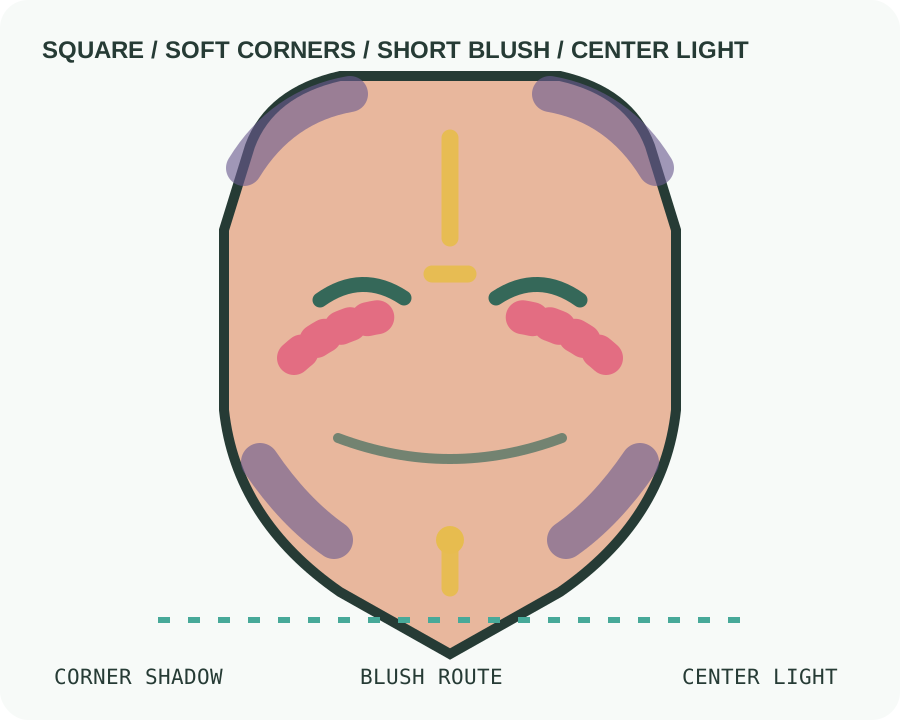
For makeup for square face, keep the strong outline readable while moving attention through the center: soften the four outer corners, place blush on a short diagonal, keep the forehead and chin highlights narrow, and use the eyes or lips to add a gentle vertical route. The aim is not to draw an oval over the face. It is to make the jaw, cheekbones, and hairline feel connected when you smile, turn, and change the light.
Start with a corner map
A square pattern usually shows a broad or angled hairline, cheekbones that do not collapse inward, and a jaw with visible side corners. Before adding product, mark the four places where the outline turns: the two upper corners near the temples and the two lower corners near the back of the jaw. Use the face-shape reading guide as a measurement reference, then check the visible outline in a level front view rather than relying on a single selfie angle.
This map prevents the most common mistake: treating the entire perimeter as one contour line. The corners need a softened transition; the center needs enough light and color to keep the face from reading as a flat block.
Soften the turns without drawing a border
Use a matte or skin-like shadow only where the hairline or jaw corner changes direction. Start with a small amount at the temple, sweep it a short distance along the hairline, and fade it before it reaches the center of the forehead. At the lower corners, blend downward and slightly away from the face so the shadow loses its edge instead of becoming a second jawline.
The useful test is distance. Step back from the mirror until you can see the whole face, then ask whether the shadow is changing the transition or announcing a stripe. If the corner still looks hard, soften the outside edge first. Adding a darker product to the center of the jaw usually makes the lower third heavier.
Give blush a short diagonal route
Place cream or powder blush close to the apples, then move it upward and slightly outward toward the upper cheek. Stop before the color reaches the temple. This creates a curved route across the cheek without extending the square face's strongest horizontal width. A small amount on each side is easier to balance than one long sweep.
Check the placement with a neutral expression and a smile. The apples move when you smile, so the final color should still sit in a useful zone after the cheek lifts. If the cheeks look wider, shorten the outer end and keep the most visible color closer to the upper cheek rather than pushing it toward the ears.
Keep the center light and narrow
Use light as a short sequence: a slim mark through the center of the forehead, a restrained bridge highlight, a small under-eye correction, and a compact point on the chin if the lower center disappears. Square faces can have a broad forehead, so a wide horizontal highlight may repeat the very line you are trying to soften.
Choose a finish that moves with the skin. Satin or softly luminous areas can keep the center alive, while a thick reflective strip can make one landmark compete with the others. Turn toward a window, turn away, and check whether the highlight still looks like one route instead of separate bright patches.
Let brows and eyes change the direction
Keep the brow shape softly structured rather than drawing a hard, flat top line. A gentle lift near the outer third can guide the eye upward, but the arch should follow the brow's own growth pattern. For eye makeup for square face, keep the deepest value close to the lashes and let the outer color taper rather than ending in a blunt horizontal block.
If the eye is hooded, place the visible color where it remains above the fold when the eyes are relaxed. If the outer corner already lifts, a shorter wing may be enough. The direction should support the cheek route and center light, not add another sharp corner beside the temple.
Use the lower third as a quiet finish
A soft lip edge can keep the jaw from becoming the only strong feature. Choose the amount of definition that suits the rest of the face, then keep the strongest color near the center of the mouth instead of extending a rigid outline to the corners. This is a placement decision, not a rule that every square face needs a pale lip.
When the lower third feels heavy, repair the jaw shadow before changing the lip. Remove excess product at the back corner, blend the remaining edge toward the neck, and then reassess the mouth and chin together. One small correction often restores more balance than adding another bright point.
Run a three-condition check
Keep the placement only after it survives three different views:
- Window light: look straight on and confirm that the four corner shadows are transitions, not visible brackets.
- Conversation face: speak, smile, and relax. The blush should stay above the widest cheek line and the eye route should remain visible.
- Three-quarter turn: turn both directions and check whether the jaw shadow, center highlight, and outer cheek end at different jobs instead of merging into one band.
If the face still reads too angular, shorten the contour and soften the brow before adding more blush. If it reads too wide, reduce the horizontal spread first. If the center looks empty, add a small light point or a more vertical eye route rather than widening every highlight.
For a frame comparison after this placement test, use the square-face frame guide and keep glasses fit separate from makeup placement. When the hairline changes the upper frame, compare square-face hair guide before making the contour darker. For a rounder cheek reading, use round-face makeup guide; for a longer, more even baseline, compare oval-face makeup guide.
Check the result from three angles
Where should contour stop on a square face?
Start at the temple and the back corner of the jaw, then fade before the shadow becomes a complete perimeter. The center of the forehead and the front of the chin usually need space to stay readable.
Is blush better high or on the apples for this shape?
Begin near the apples and carry the color on a short upward diagonal toward the upper cheek. Keep the outer end short enough that it does not repeat the cheekbone or temple width.
What highlight placement keeps a broad forehead balanced?
Use a narrow center mark instead of a wide horizontal stripe. Check the forehead, bridge, under-eye area, and chin as one connected route under moving light.
How can eye makeup soften a square jaw?
Use a controlled upward direction near the outer eye and keep the darkest value near the lashes. A tapered outer edge can guide attention upward without adding a hard line at the temple.
What should I fix when the face looks heavier after contour?
Remove or diffuse the shadow at the jaw corners first. Then reassess the blush spread and lip outline before adding light or more product elsewhere.
Square-face makeup works best as a map of transitions: soften the turns, keep the center connected, send color upward, and let the final decision survive a smile, a turn, and a change in light.